Proper legal protection for your business starts with the right structure.
An LLC lets you separate your personal and business assets and provides liability protection. Business owners who want liability protection, often choose this route.
Forming your LLC is easy. What often gets overlooked is the agreement behind your LLC. This is the most important piece for protecting you and your company.
What you need to know about an LLC
An LLC is part corporation, part partnership. Like a corporation, an LLC limits your personal liability (assuming you treat it separate and apart from yourself and respect its corporate form). Like a partnership, profits pass through to your personal income and get taxed once, unless you elect to get taxed as a corporation.
Flexibility is the big appeal with LLCs. They’re easy to form and easy to manage. But, because of this flexibility, your company agreement matters more here than in almost any other entity type.
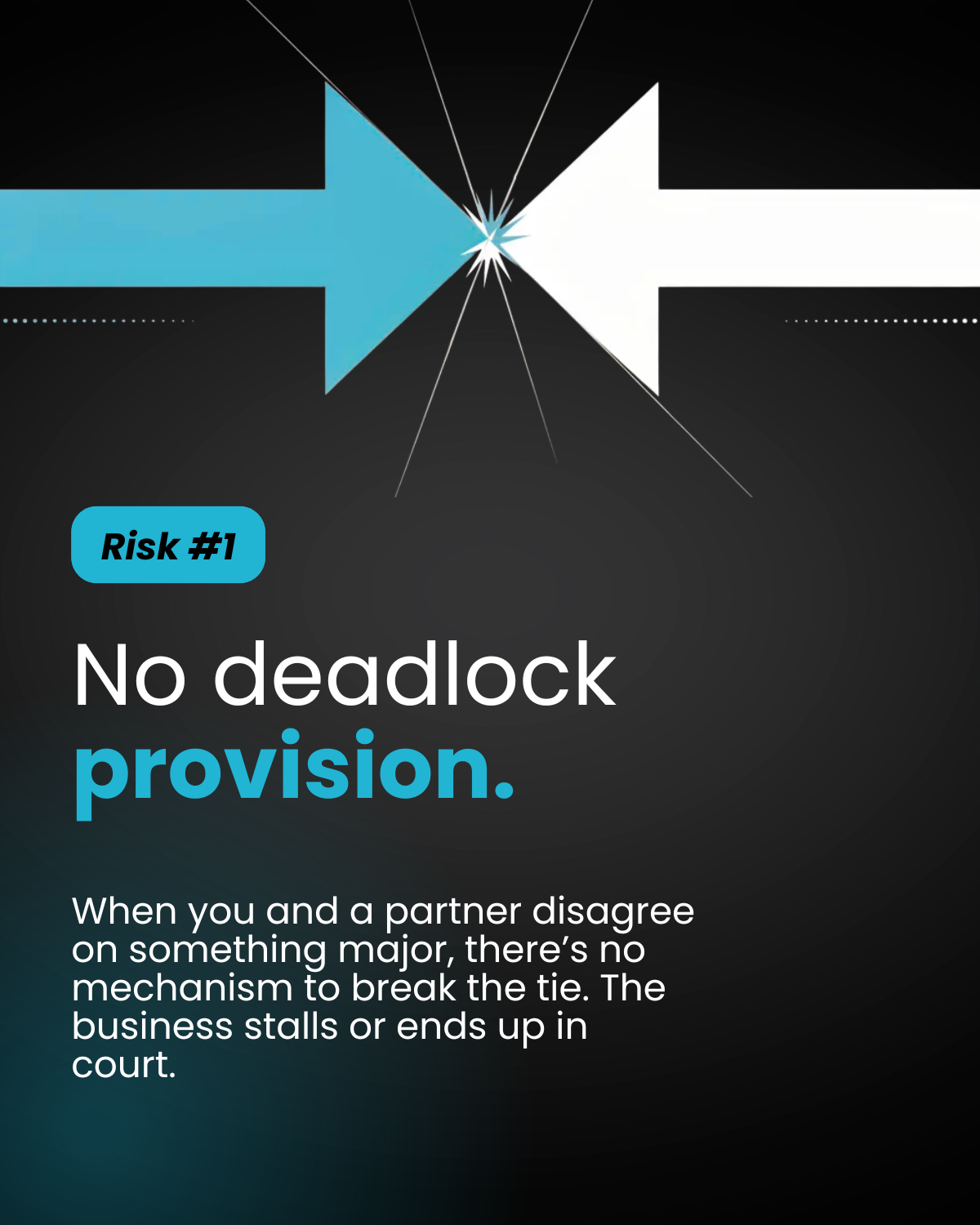
Your LLC’s company agreement defines who has authority and what happens when members disagree. If you don’t have a company agreement, the Texas Business Organizations Code governs your company – and guess what? You may not like what it says. DIY LLC formations often don’t have this type of agreement. This is one of the biggest risks we see business owners carry without realizing it.
When your LLC needs a custom operating agreement
If any of the following apply to your business, a templated or DIY agreement may not cover you in a dispute:
- You have more than one owner.
- Ownership isn’t split evenly (or won’t stay that way).
- One owner puts in more money, another puts in more time.
- You’re in business with family or close friends.
- One of the owners is married.
- One of the owners is another company.
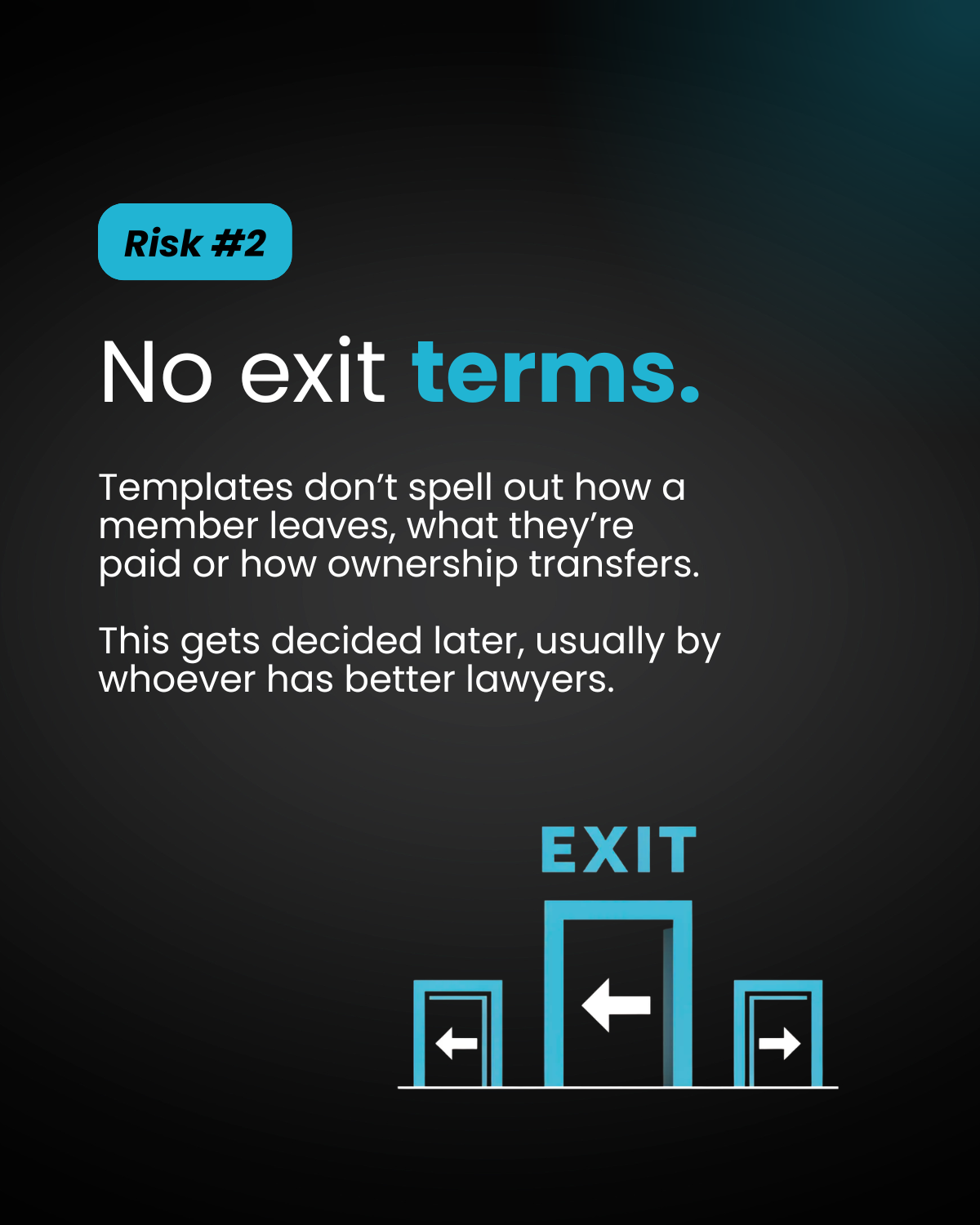
- Someone might want out someday.
- Your LLC holds real property or other major assets.
- You may bring on investors or new members.
- Your industry carries higher liability exposure.
- You and your co-owners don’t agree on your company’s future.
Legal protection for every stage of your business
When you work with Begum Pelaez-Prada Business Law, forming your LLC is just the first step. We also evaluate your business, identify the risks specific to your situation, and build in agreements and protections. This way nothing is left exposed as your business changes.
Contact us today to discuss your options with a San Antonio limited liability company (LLC) formation lawyer.
Do I need a company agreement if I’m the only member of my LLC?
Yes. A single-member LLC still benefits from a company agreement. It reinforces the separation between you and your business. This matters if your liability protection is ever challenged in court. Your agreement also defines what happens to your business if you become incapacitated or pass away.
Is a company agreement the same as an operating agreement?
Yes, they refer to the same document. Texas law uses the term “company agreement,” while “operating agreement” is the more common term used nationally.
Is a company agreement legally required in Texas?
No. Texas doesn’t require an LLC to have one. This is why so many templated and AI-generated LLCs skip it, and why so many business owners don’t realize the risk until a dispute happens.
What happens if my LLC doesn’t have a company agreement?
Without one, your LLC defaults to Texas’s default statutory rules. These rules are generic and may not reflect how you run your business.
Can I update my company agreement after my LLC is formed?
Yes. If your LLC has an outdated template (or doesn’t have one at all), an attorney can help draft or revise your company agreement to reflect how your business operates today.
How long does it take to form an LLC in Texas?
Filing often takes just a few business days. What takes longer, and matters more, is building your company agreement and protections around it.